


🌈 Living with Bipolar Disorder: Understanding, Traits, Creativity, and Hope

Meta Title: Understanding Bipolar Disorder: Signs, Traits, Creativity, and How to ThriveMeta Description: Learn what bipolar disorder is, how it affects people, common traits, creativity links, famous figures with bipolar, global statistics. Keywords: bipolar disorder, bipolar traits, bipolar creativity, famous people with bipolar, bipolar statistics UK US, managing bipolar lifestyle, hope bipolar disorder
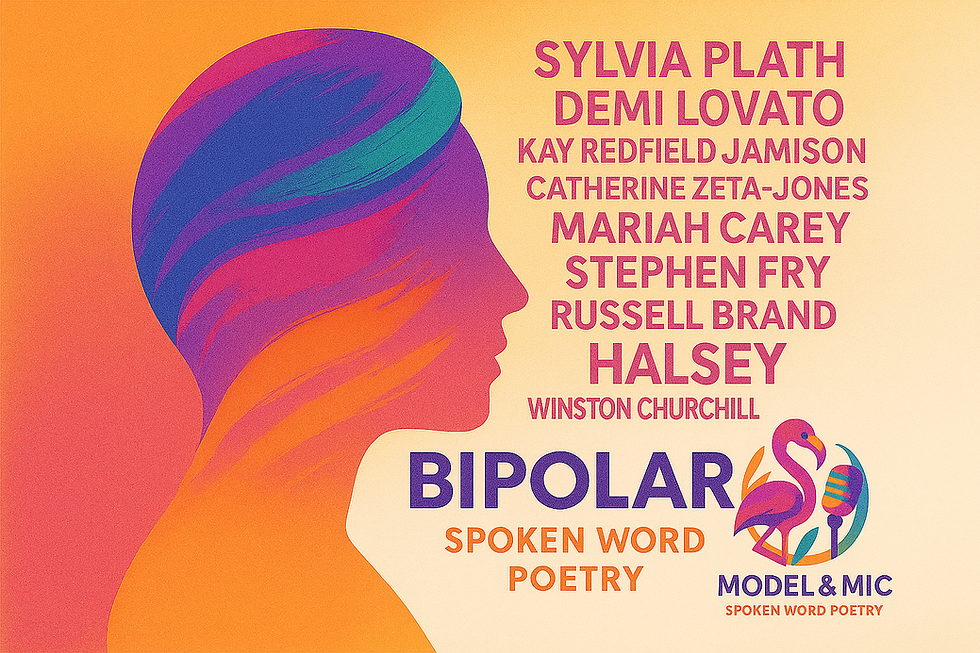
What Is Bipolar Disorder?
So, if you've read my other posts or site, you'll know I have bipolar disorder. I thought I'd take the opportunity to explain a bit more about it. I hope you find this useful. Bipolar disorder is a mental health condition marked by dramatic shifts in mood, energy, and activity levels. These mood episodes range from:
Mania or hypomania: Periods of elevated mood, high energy, reduced need for sleep, impulsivity, and racing thoughts.
Depression: Periods of low mood, fatigue, loss of interest, feelings of worthlessness, and difficulty concentrating.
There are different types, including Bipolar I disorder (full mania), Bipolar II disorder (hypomania and depression), and Cyclothymic disorder (milder, chronic mood swings).
How Bipolar Disorder Affects People
Bipolar disorder can affect nearly every part of life, from work and education to relationships and physical health. During manic phases, people might take big risks or start ambitious projects; during depression, even getting out of bed can feel impossible. This can lead to:
Disrupted relationships
Financial or work difficulties
Feelings of isolation or stigma
Cycles of guilt, shame, and self-doubt
But with treatment and support, people with bipolar disorder can—and do—live full, rich lives.
Traits Often Seen in People with Bipolar Disorder
While everyone is unique, some common personality and behavioural traits in people with bipolar disorder may include:
High emotional sensitivity and empathy
Creativity and originality
Intense focus and drive during manic or hypomanic phases
Periods of deep introspection and thoughtfulness during depression
Strong intuition and imagination
These traits are part of why so many artists, writers, musicians, and innovators are thought to have lived with bipolar disorder.
The Link Between Bipolar Disorder and Creativity
There is a long-observed connection between mood disorders and creativity. Elevated energy and racing thoughts during hypomania can fuel bursts of productivity and innovative thinking. Likewise, the deep emotional range often brings profound insight that fuels art, music, and literature. My own poetry journey began with my diagnosis, it was almost like it unlocked the door to my creative side.
🌟 Famous People with Bipolar Disorder
Many successful and well-known individuals have shared their experiences with bipolar disorder, helping break down stigma:
Stephen Fry – British actor and comedian, created a BBC documentary on living with bipolar.
Carrie Fisher – Actor, writer, and outspoken advocate who used humour and honesty to destigmatize mental health.
Demi Lovato – Grammy-nominated singer and mental health activist.
Kay Redfield Jamison – Clinical psychologist and author of An Unquiet Mind.
Mariah Carey – Award-winning singer who publicly discussed her bipolar II diagnosis in 2018.
Catherine Zeta-Jones – Oscar-winning actor who has spoken about living with bipolar II.
Russell Brand – Comedian, author, and podcaster who has shared his experience with bipolar disorder.
Halsey – Singer-songwriter who has spoken openly about navigating bipolar and creativity.
Brian Wilson – Co-founder of The Beach Boys, known for his musical genius and struggles with mental illness.
Jean-Claude Van Damme – Actor and martial artist who has discussed his bipolar diagnosis.
Vivien Leigh – Iconic actor (Gone with the Wind) who lived with bipolar disorder.
Winston Churchill – Former United Kingdom Prime Minister, often cited as having had “black dog” depressions and possible bipolar symptoms.
Ernest Hemingway – Celebrated author believed to have lived with bipolar disorder.
Vincent van Gogh – Legendary painter widely believed by historians to have had bipolar disorder.
Ted Turner – Media mogul and founder of CNN, who has shared his experience with bipolar disorder.
These individuals show that bipolar disorder does not diminish the ability to succeed, inspire, or contribute meaningfully to the world.
These individuals show that bipolar disorder does not diminish the ability to succeed, inspire, or contribute meaningfully to the world.
🖋️ Poets with Bipolar Disorder
Sylvia Plath — An iconic American poet and novelist, known for The Bell Jar and her confessional poetry. Her intense emotional world and struggles with bipolar shaped much of her work.
Anne Sexton — Pulitzer Prize–winning American poet whose raw and honest writing about mental illness and womanhood helped redefine confessional poetry.
Robert Lowell — A towering figure in American poetry, known for works like Life Studies. He had severe manic and depressive episodes throughout his career.
Theodore Roethke — Pulitzer-winning American poet whose brilliant yet turbulent mind produced deeply emotional and nature-inspired verse.
Emily Dickinson (suspected) — Though not diagnosed in her time, some scholars speculate she may have experienced bipolar-like mood swings reflected in her poetry’s intensity and shifts.
💃 Models with Bipolar Disorder
Carré Otis — American supermodel who has spoken openly about her struggles with bipolar disorder and her journey of recovery.
Amber Smith — Fashion model and actress who has discussed her diagnosis and experiences managing bipolar disorder.
Lara Stone (reported) — Dutch model who has shared her struggles with mental health, including reported bipolar symptoms.
Linda Hamilton (actor-model crossover) — Though better known as an actress, she started as a model and has spoken about living with bipolar disorder.
How Many People Have Bipolar Disorder?
Globally, around 1–2% of the population is estimated to live with bipolar disorder. In the United Kingdom, this means roughly 1.3 million people, and in the United States, over 4 million adults experience it.
It affects people of all ages, genders, and backgrounds, but is often diagnosed in late teens to early adulthood. These numbers highlight that bipolar disorder is far more common than many realize.
🌍 A Message of Hope 🌟
Even while managing the challenges of bipolar disorder, the famous people, artists, poets and models have created extraordinary work and achieved global recognition. Their stories show that bipolar disorder doesn’t define someone’s potential — with the right treatment, lifestyle balance, and support, many people go on to thrive creatively and professionally and achieve incredible things. Living with Bipolar Disorder can be challenging, but it is also manageable. Your diagnosis does not define you—it’s just one part of your rich, complex, and meaningful story.
Hope, resilience, and growth are possible.
📝 Frequently Asked Questions About Bipolar Disorder
Q1: What is bipolar disorder?
Bipolar Disorder is a mental health condition that causes extreme mood swings, including emotional highs (mania/hypomania) and lows (depression). These episodes can affect energy, activity levels, relationships, and daily functioning.
Q2: How many people have bipolar disorder?
Globally, about 1–2% of people live with bipolar disorder. In the United States, this is around 4 million adults, and in the United Kingdom, approximately 1.3 million people.
Q3: What are common traits of people with bipolar disorder?
People with bipolar disorder may be highly creative, emotionally sensitive, intuitive, and driven. They can experience bursts of productivity during hypomanic phases and deep introspection during depressive phases.
Q4: Is there a link between bipolar disorder and creativity?
Yes. Research suggests people with bipolar disorder are often overrepresented in creative fields such as art, music, writing, and innovation, likely due to their wide emotional range and unique thinking styles.
Q5: Can lifestyle changes help manage bipolar disorder?
Absolutely. Regular sleep, healthy eating, exercise, stress management, and supportive relationships can significantly reduce relapses and improve overall wellbeing.
Q6: Can people with bipolar disorder live successful lives?
Yes. Many well-known figures—like Carrie Fisher, Stephen Fry, and Demi Lovato—have thrived while living with bipolar disorder. With the right support, people can lead fulfilling, successful lives.


Comments